
Electric Cars Still Need Service: What EV Owners Need to Know
Local listing details
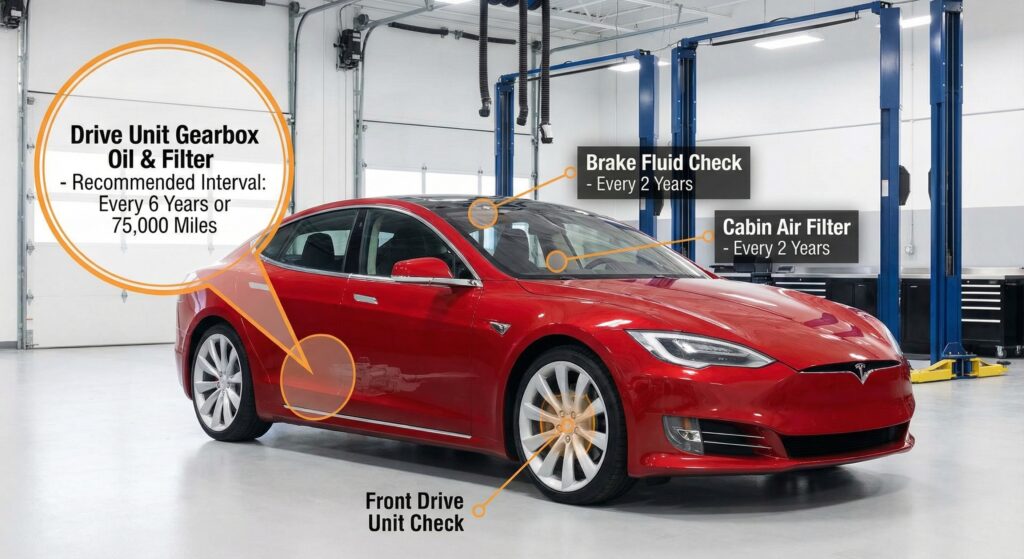
Electric vehicles (EVs) are often marketed as “low-maintenance” cars, leading many drivers to believe they don’t need regular service. While it’s true that electric cars have fewer moving parts than gas-powered vehicles, they still require routine maintenance to remain safe, efficient, and reliable.
As more drivers search for “do electric cars need maintenance,” “EV service near me,” and “electric vehicle maintenance cost,” it’s important to understand what services EVs actually need—and why skipping them can lead to costly repairs.
Why Electric Vehicles Still Require Regular Maintenance
Electric cars eliminate oil changes and some traditional engine repairs, but they introduce new systems that require monitoring and service. EVs rely heavily on electronics, cooling systems, braking components, and software—all of which need regular attention.
Key reasons EVs still need service include:
-
High-voltage battery protection and cooling
-
Brake system maintenance
-
Tire wear due to heavier vehicle weight
-
Suspension and steering wear
-
Software and diagnostic checks
-
Cabin air filter and HVAC system service
Ignoring these areas can reduce vehicle range, affect performance, and shorten component lifespan.
Battery Cooling Systems Are Critical
The battery is the most expensive component in an electric vehicle. To protect it, EVs use liquid or air-cooled thermal management systems. These systems require periodic inspection to ensure:
-
Coolant levels are correct
-
No leaks or contamination exist
-
Pumps and valves are operating properly
Failure in the battery cooling system can lead to reduced range, overheating, and long-term battery degradation.
Brake Service Is Still Essential for EVs
Electric cars use regenerative braking, which reduces wear on brake pads—but that doesn’t eliminate brake maintenance. In fact, EV brake components can experience:
-
Corrosion due to infrequent use
-
Sticking calipers
-
Uneven pad wear
Regular brake inspections help ensure safe stopping power and prevent expensive brake system repairs.
Tires Wear Faster on Electric Vehicles
Electric vehicles are heavier and deliver instant torque, which can cause accelerated tire wear. EV owners often need:
-
More frequent tire rotations
-
Tire pressure checks
-
Alignment inspections
Routine tire maintenance improves handling, range, and safety while extending tire life.
Cabin Filters, Fluids, and General Inspections Still Matter
Even without a combustion engine, EVs still use:
-
Cabin air filters (often more frequently due to HVAC demand)
-
Brake fluid
-
Coolant for batteries and power electronics
-
Windshield washer fluid
Regular inspections ensure comfort systems, safety components, and electronics function as designed.
Software Updates and Diagnostic Checks
Modern electric vehicles rely heavily on software. Routine service appointments allow technicians to:
-
Scan for fault codes
-
Check battery health data
-
Verify charging system performance
-
Apply manufacturer updates
These checks help prevent unexpected issues and ensure optimal vehicle performance.
EV Maintenance Is About Prevention, Not Repairs
The biggest benefit of servicing an electric vehicle regularly is prevention. While EVs typically cost less to maintain over time than gas vehicles, neglecting basic service can lead to expensive repairs—especially involving batteries, cooling systems, or electronic components.
Preventative maintenance helps:
-
Extend battery life
-
Preserve driving range
-
Improve safety
-
Maintain resale value
-
Reduce unexpected repair costs
Final Thoughts
Electric cars are changing the future of transportation, but they are not maintenance-free. Regular inspections, brake service, tire care, and system checks are essential to keeping EVs running efficiently and safely.
Understanding what your electric vehicle needs—and staying ahead of maintenance—ensures you get the maximum benefit, performance, and lifespan from your investment.