Vegetarian vs Vegan: What’s the Difference and Which Diet Is Right for You?
Local listing details
As interest in plant-based eating continues to grow, many people ask: What is the difference between vegetarian and vegan? While both diets focus on avoiding meat, they are not the same. Understanding the key differences between vegetarian and vegan lifestyles can help you choose the option that best fits your health goals, values, and daily routine.
Searches for “vegetarian vs vegan diet,” “what does vegan mean,” and “vegetarian food list” continue to rise as more people explore healthier and more sustainable eating habits.
What Is a Vegetarian Diet?
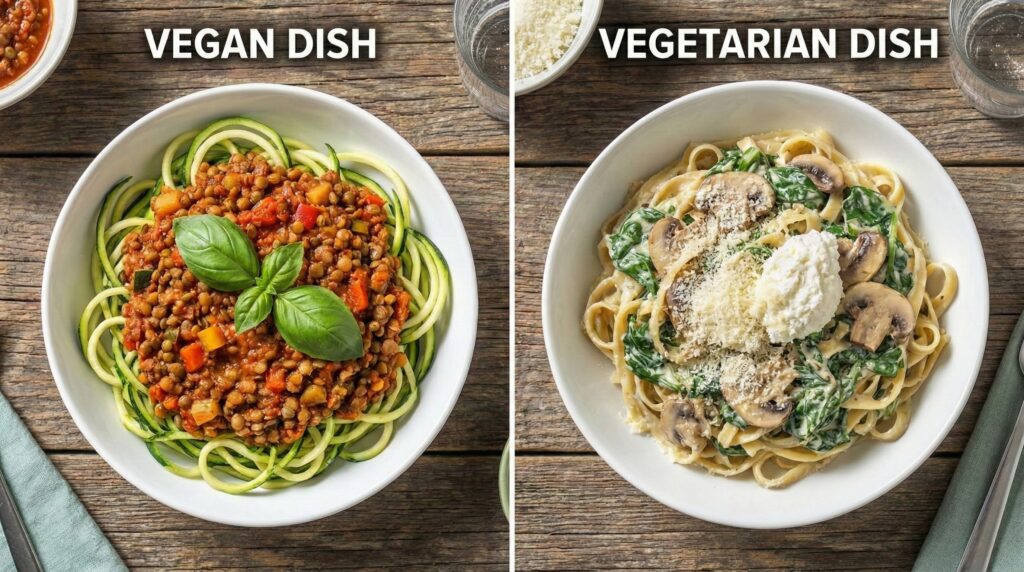
A vegetarian diet eliminates meat, poultry, and fish, but may still include certain animal-derived products. There are several types of vegetarian diets, including:
-
Lacto-ovo vegetarian: Includes dairy products and eggs
-
Lacto vegetarian: Includes dairy but not eggs
-
Ovo vegetarian: Includes eggs but not dairy
Vegetarians typically eat:
-
Fruits and vegetables
-
Grains and legumes
-
Nuts and seeds
-
Dairy products (milk, cheese, yogurt)
-
Eggs (depending on the type)
Many people choose vegetarianism for health benefits, environmental concerns, or ethical reasons while still allowing flexibility in food choices.
What Is a Vegan Diet?
A vegan diet is more restrictive than vegetarianism. Vegans avoid all animal products, not just meat. This includes:
-
Meat, poultry, and fish
-
Dairy products
-
Eggs
-
Honey
-
Animal-derived ingredients
Vegans eat exclusively plant-based foods such as:
-
Fruits and vegetables
-
Whole grains
-
Beans and legumes
-
Nuts and seeds
-
Plant-based milk and alternatives
Beyond diet, many vegans also avoid animal products in clothing, cosmetics, and household items, making veganism both a dietary and lifestyle choice.
Key Differences Between Vegetarian and Vegan Diets
| Feature | Vegetarian | Vegan |
|---|---|---|
| Meat | ❌ No | ❌ No |
| Dairy | ✅ Yes (some types) | ❌ No |
| Eggs | ✅ Yes (some types) | ❌ No |
| Honey | ✅ Yes | ❌ No |
| Lifestyle focus | Mostly dietary | Dietary + lifestyle |
The biggest difference is that vegetarians may consume animal by-products, while vegans avoid all animal-derived products completely.
Health Benefits of Vegetarian and Vegan Diets
Both vegetarian and vegan diets can offer health benefits when balanced properly, including:
-
Lower risk of heart disease
-
Improved digestion
-
Better weight management
-
Lower cholesterol levels
-
Reduced risk of certain chronic diseases
However, vegans need to be more mindful of nutrients like vitamin B12, iron, calcium, omega-3 fatty acids, and protein, which are more readily available in animal products.
Environmental and Ethical Considerations
Many people choose vegetarian or vegan diets to reduce environmental impact. Vegan diets generally have a smaller carbon footprint, as they eliminate all animal agriculture products.
Ethically, vegetarianism reduces animal consumption, while veganism seeks to eliminate animal exploitation entirely.
Which Is Better: Vegetarian or Vegan?
There is no single “better” option—it depends on your personal goals. Vegetarian diets are often easier to maintain and socially flexible, while vegan diets offer stronger ethical and environmental alignment.
Both approaches can be healthy, sustainable, and beneficial when planned thoughtfully.
FAQ: Vegetarian vs Vegan
What is the main difference between vegetarian and vegan?
Vegetarians avoid meat but may eat dairy and eggs. Vegans avoid all animal products, including dairy, eggs, and honey.
Is vegan healthier than vegetarian?
Both can be healthy. Vegan diets require careful planning to avoid nutrient deficiencies, while vegetarian diets offer more flexibility.
Can vegetarians eat cheese and milk?
Yes. Most vegetarians consume dairy products unless they follow a specific subtype that excludes them.
Do vegans eat eggs?
No. Eggs are an animal product and are excluded from vegan diets.
Which diet is better for the environment?
Vegan diets generally have a lower environmental impact because they eliminate all animal agriculture products.
Final Thoughts
Understanding the difference between vegetarian and vegan diets helps you make informed choices about your health, lifestyle, and values. Whether you choose vegetarianism for flexibility or veganism for a fully plant-based lifestyle, both diets can support a healthier future when balanced properly.